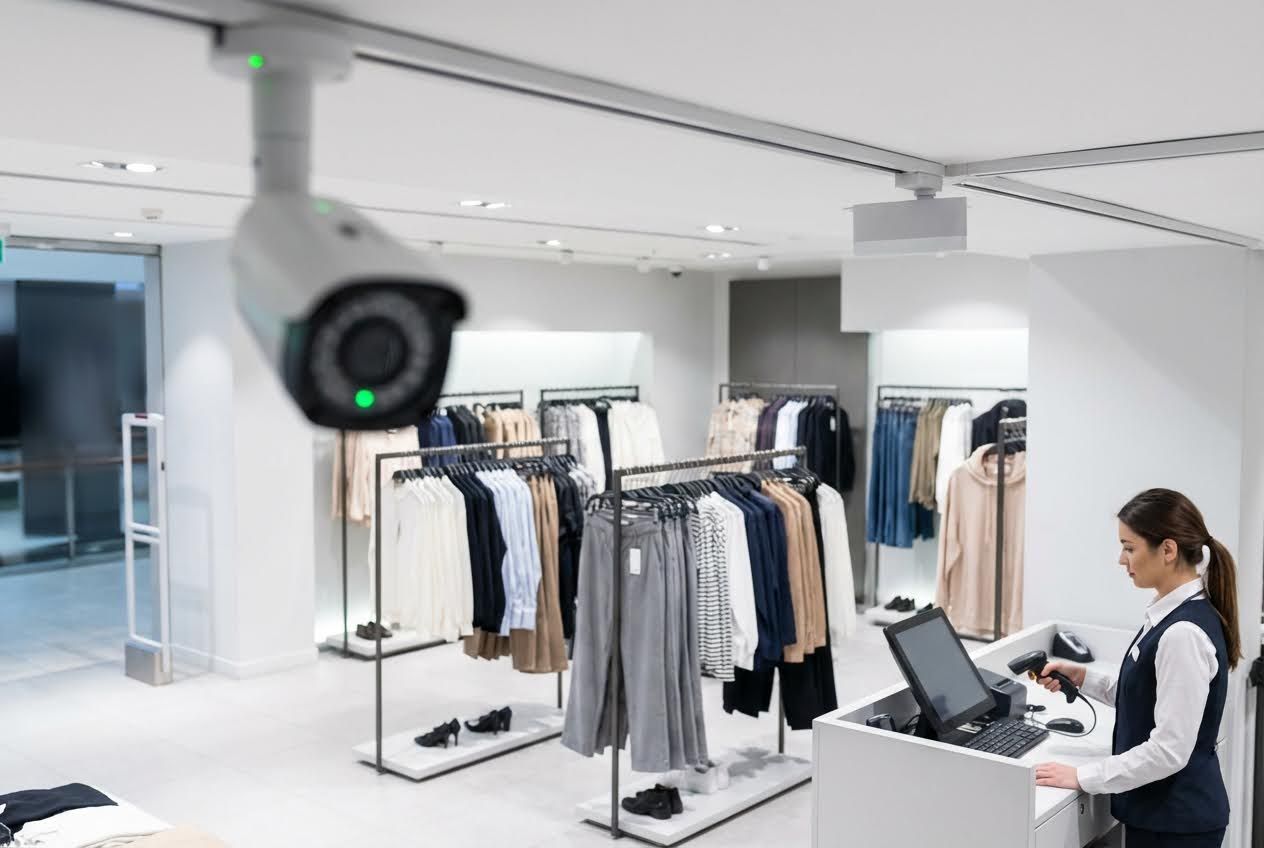
A single shoplifting incident costs the average retailer $463, but the real damage extends far beyond the price tag. Staff trauma, operational disruption, and inventory write-offs compound quickly, turning what seems like a minor theft into a significant business problem. Protecting staff and inventory requires a coordinated approach that addresses vulnerabilities before criminals exploit them. The National Retail Federation reports that retail shrinkage reached $85 billion in 2022, with organized retail crime accounting for an increasing share. Yet many store owners still rely on outdated security measures or, worse, expect frontline employees to confront thieves without proper training or support. Effective retail shop security demands investment in technology, people, and processes working together. This isn't about turning your store into a fortress. The goal is to create an environment where legitimate customers feel welcome while potential offenders recognize that risks outweigh rewards. The stores that achieve this balance see measurable improvements in both shrinkage rates and employee retention. Assessing Modern Risks in Retail Environments Understanding your specific threat landscape is the foundation of any security program. Generic solutions fail because every retail environment faces unique challenges based on location, merchandise type, and customer demographics. Identifying Internal and External Theft Patterns External theft grabs headlines, but internal theft accounts for roughly 35% of retail shrinkage. Employee theft often involves manipulation of point-of-sale systems, "sweethearting" merchandise to friends, or exploiting gaps in inventory controls. These losses accumulate gradually, making them harder to detect than grab-and-run incidents. External threats have evolved significantly. Organized retail crime groups conduct reconnaissance, target specific high-value items, and sometimes employ distraction techniques involving multiple participants. Solo shoplifters remain common, but the sophistication of coordinated theft operations requires equally sophisticated countermeasures. Review your incident reports from the past 12 months. Look for patterns in timing, location within the store, and merchandise categories. This analysis reveals where your vulnerabilities concentrate. Evaluating Physical Store Vulnerabilities Walk your store with fresh eyes, or better yet, bring in an outside perspective. Cascadia Global Security provides professional assessments that identify blind spots store managers often overlook due to familiarity. Common vulnerabilities include poorly lit parking areas, obscured sightlines created by tall fixtures, inadequate back-door security, and insufficient coverage at fitting rooms. Loading docks present particular risks , as they provide access points that bypass customer-facing security measures. Document each vulnerability and prioritize based on risk level and remediation cost. Some fixes are immediate and inexpensive, while others require capital investment and planning. Implementing Advanced Surveillance and Deterrence Systems Technology amplifies human security efforts, but only when deployed strategically. Cameras and tags work best as components of an integrated system rather than standalone solutions. Strategic Placement of CCTV and Smart Cameras Camera placement should prioritize high-risk zones: entrances, exits, cash registers, and areas containing high-value merchandise. Modern IP cameras with analytics capabilities can detect unusual behavior patterns, such as loitering or repeated visits without purchases, and alert staff in real time. Visible cameras serve dual purposes: they capture evidence and deter potential offenders. However, placing all cameras in obvious locations creates blind spots that experienced thieves will exploit. Balance visible deterrent cameras with covert units positioned to capture activity in known problem areas. Storage and retrieval matter as much as capture quality. Cloud-based systems ensure footage survives even if on-site equipment is damaged or stolen. Establish clear retention policies that comply with state and federal privacy regulations, such as data retention limits under applicable consumer protection laws, while preserving evidence for potential prosecution. Electronic Article Surveillance (EAS) and RFID Tagging EAS gates at store exits remain effective deterrents despite their decades-long presence in retail. The key is consistent tagging protocols: when employees skip tagging certain items due to time pressure, those items become easy targets. RFID technology offers advantages beyond theft prevention. Real-time inventory visibility helps identify discrepancies immediately rather than waiting for periodic counts. When items disappear from the system without corresponding sales, you know to investigate. This dual benefit often justifies the higher per-tag cost compared to traditional EAS tags. Source tagging, where manufacturers apply security devices before shipping, eliminates the labor burden on store staff and ensures consistent protection across all merchandise. Empowering Staff Through Training and Safety Protocols Your employees are your first line of defense, but they need proper training and clear authority to act. Untrained staff either ignore suspicious behavior or respond inappropriately, creating liability risks. Conflict De-escalation and Shoplifting Response Staff should never physically confront suspected shoplifters. The risk of injury or legal liability far outweighs the value of recovered merchandise. Instead, train employees in customer-service-based deterrence: approaching suspicious individuals with offers of assistance signals awareness without escalating. Establish clear protocols for employees to follow when they observe theft in progress. Typically, this involves alerting management or security personnel while maintaining visual contact from a safe distance. Documentation of suspect descriptions and actions supports later investigation and potential prosecution. Role-playing exercises help employees practice these skills in low-stakes environments. Quarterly refresher training keeps protocols up to date and addresses emerging threat patterns. Emergency Procedures and Panic Button Integration Violent incidents, while relatively rare, require immediate response capabilities. Panic buttons connected to security monitoring services or local law enforcement provide employees with a discreet way to summon help when verbal communication isn't possible. Position panic buttons at registers, in back offices, and at customer service desks. Test them regularly to ensure functionality. Staff should know the exact locations of the buttons and understand when activation is appropriate. Develop and rehearse lockdown procedures for active threat situations. Employees should know evacuation routes, safe rooms, and communication protocols. Cascadia Global Security offers training programs that prepare retail teams for these scenarios. Inventory Control and Loss Prevention Strategies Shrinkage prevention extends beyond catching thieves. Strong inventory management practices close gaps that allow losses to go undetected. Optimizing Floor Layouts for Maximum Visibility Store design directly impacts security. Position registers near exits so staff naturally observe departing customers. Keep fixture heights below eye level throughout the sales floor to eliminate hiding spots. Place high-value merchandise in areas with maximum staff visibility rather than tucking it into corners. If certain items require secure display cases, position those cases where staff can monitor them during normal duties. Traffic flow matters too. Guide customers through predictable paths that pass multiple observation points. This doesn't mean creating maze-like layouts that frustrate shoppers, but rather designing natural flows that serve both customer experience and security needs. Inventory Auditing and Point-of-Sale Monitoring Cycle counting, in which you audit portions of inventory continuously rather than conducting annual full counts, catches discrepancies more quickly. Focus counting efforts on high-shrink categories and adjust frequency based on historical loss patterns. POS exception reporting identifies suspicious transaction patterns, such as excessive voids, unusual discount applications, or repeated no-sale drawer openings. Review these reports weekly and investigate anomalies promptly. Delayed investigation allows problems to compound and makes evidence gathering more difficult. Reconcile receiving records against purchase orders immediately upon delivery. Shortages discovered weeks later are nearly impossible to resolve with vendors. Securing the Perimeter and High-Value Assets Physical security measures create barriers that slow or prevent unauthorized access. Layered defenses mean that defeating one measure doesn't grant complete access. Access Control and Smart Lock Systems Limit back-of-house access to authorized personnel using electronic access control. Key-based systems create accountability problems when employees leave or when keys are duplicated. Card- or code-based systems allow immediate credential revocation and generate audit trails that show who accessed which areas when. Smart locks on storage rooms containing high-value inventory add another layer of security. Time-based restrictions can prevent after-hours access except by designated personnel. Integration with your alarm system ensures that unauthorized access attempts trigger immediate alerts. Don't neglect exterior doors. Receiving areas, emergency exits, and roof access points all require appropriate hardware and monitoring. Display Cases and Secure Storage Solutions Locked display cases protect high-value items while maintaining visibility. The inconvenience to customers is minimal compared to the loss prevention benefit. Train staff to retrieve items promptly so security measures don't frustrate legitimate purchasers. Safes for cash and high-value inventory should be rated appropriately for the risk level. A basic fire safe doesn't provide meaningful protection against theft. Consult with security professionals to select appropriate ratings and placement. Secure overnight storage for items that can't be locked in cases. Leaving merchandise on the sales floor after hours invites smash-and-grab incidents.

Picture this: a busy office where employees move quickly, clients come and go, and sensitive information is handled daily. Now imagine a sudden security breach or accident that disrupts everything. It’s a nightmare no business wants to face. Safety in the workplace isn’t just about avoiding accidents; it’s about creating an environment where everyone feels secure and protected. Every business, big or small, needs to focus on specific safety topics to reduce risks and keep operations running smoothly. Ignoring these areas can lead to costly consequences, both financially and in trust. From physical security to emergency preparedness, there are key issues that every security-conscious company should tackle. This article explores essential workplace safety topics that help build a safer, more secure business. Whether you’re a manager, employee, or business owner, understanding these points can make a real difference. Let’s explore what matters most when it comes to protecting your workplace. Physical Security Measures To Protect Your Workplace Access Control Systems Controlling who enters your building is the first line of defense. Access control systems, like key cards, biometric scanners, or PIN codes, help keep unauthorized people out. These systems can track who comes and goes, adding an extra layer of security. It’s important to regularly update access permissions and deactivate lost or stolen cards promptly. Integrating access control with visitor management systems can streamline guest check-in while maintaining strict security protocols. This not only enhances safety but also improves the overall visitor experience, allowing for a more organized and efficient entry process. Surveillance Cameras And Monitoring Installing security cameras around your property can deter potential threats and provide valuable evidence in the event of an incident. Modern surveillance systems offer high-definition video and remote monitoring, enabling security teams to respond more quickly. Cameras should cover entrances, parking lots, and other vulnerable areas without invading employee privacy. Utilizing advanced technologies such as motion detection and analytics can enhance the effectiveness of your surveillance system. These features alert security personnel to unusual activities in real time, enabling swift responses and potentially preventing incidents from escalating. Security Personnel And Patrols Having trained security personnel on-site adds a human touch to your safety efforts. Guards can spot unusual behavior, assist in emergencies, and provide a visible deterrent to criminals. Regular patrols, especially during off-hours, help maintain a secure environment and reassure employees that safety is a priority. Investing in ongoing training for security staff ensures they are well-equipped to handle a range of situations, from conflict resolution to emergency response. This proactive approach not only enhances the effectiveness of your security measures but also fosters a culture of safety within the workplace, encouraging employees to feel more secure and vigilant. Emergency Preparedness And Response Plans Fire Safety And Evacuation Procedures Fires can happen unexpectedly, so knowing how to respond is crucial. Businesses should have clear fire safety protocols, including regular drills, adequately maintained and accessible fire extinguishers inspected in accordance with OSHA standards, and clearly marked exit routes. Employees need training on how to evacuate safely and where to assemble outside the building. Medical Emergencies And First Aid Accidents or sudden illnesses require quick action. Having first aid kits stocked and easily accessible is a must. If emergency medical services are not readily accessible, at least one staff member must be trained in basic first aid and CPR, as required by OSHA. Even in low-risk workplaces, having trained personnel enhances response readiness. It’s also wise to have a plan for contacting emergency medical services and guiding responders to the correct location. Natural Disaster Preparedness Depending on your location, natural disasters like earthquakes, floods, or storms can pose serious risks. Develop a plan that specifies safe areas or evacuation routes based on the type of natural disaster, includes clear communication strategies, and outlines procedures for safely shutting down equipment when appropriate. Regularly review and update these plans to reflect any changes in your environment or staff. Workplace Violence Prevention And Response Recognizing Warning Signs Workplace violence can come from employees, customers, or outsiders. Learning to identify warning signs, such as aggressive behavior, threats, or sudden mood changes, helps prevent incidents from escalating. Encourage an open culture where employees feel comfortable reporting concerns. Conflict Resolution And De-Escalation Techniques Training staff to handle conflicts calmly can reduce the risk of violence. Techniques include active listening, staying calm, and knowing when to involve security personnel. A peaceful workplace benefits everyone and helps maintain productivity. Incident Reporting And Support Systems Having a straightforward incident-reporting process ensures problems are addressed promptly. Support systems, such as counseling or employee assistance programs, help victims recover and maintain morale. Transparency and follow-up demonstrate that employees' safety matters. Cybersecurity And Data Protection Protecting Sensitive Information Physical safety is only part of the picture. Cyber threats can compromise confidential data and disrupt operations. Use strong passwords, encryption, and regularly update software to guard against hacking. Limit access to sensitive files and educate employees about phishing scams and safe online behavior. Secure Network Infrastructure Investing in secure networks and firewalls helps reduce the risk of unauthorized access, especially when combined with regular audits and employee cybersecurity training. Regular audits and vulnerability assessments identify weak points before attackers do. Employee Training On Cyber Threats People are often the weakest link in cybersecurity. Training employees to recognize suspicious emails, avoid unsafe downloads, and report potential threats is essential. Ongoing education keeps everyone alert and reduces the risk of costly breaches. Health And Safety Compliance Understanding Legal Requirements Most businesses must comply with workplace safety laws and regulations, including OSHA standards where applicable, as well as any relevant state or local safety codes. Staying informed about these requirements helps avoid fines and legal trouble. It also shows a commitment to employee well-being. Regular Safety Audits And Inspections Routine checks of equipment, workspaces, and safety procedures catch hazards before they cause harm. Inspections should be documented, and any issues addressed promptly. Cascadia Global Security can assist with comprehensive safety audits to identify risks and recommend improvements. Promoting A Safety Culture Safety isn’t just about rules; it’s about mindset. Encourage employees to take responsibility for their own safety and that of their coworkers. Recognize safe behaviors and create open channels for reporting concerns without fear of retaliation.

Imagine walking into a building where tensions run high, and safety is not just a priority but a necessity. In such places, armed security guards play a crucial role. They are more than just protectors; they are trained professionals ready to respond to threats and keep everyone safe. High-risk environments can include busy airports, government buildings, financial institutions, or significant public events. Construction sites may also require enhanced security when valuable equipment or materials are present, though armed guards are not typically standard in such settings. The presence of an armed security guard often means the difference between chaos and control. Understanding what these guards do and why their role is so essential helps businesses and individuals appreciate the value of professional security services. Cascadia Global Security specializes in providing skilled armed guards for these challenging settings. This article explores the responsibilities, training, and challenges faced by armed security guards in high-risk environments, shedding light on their vital role in protecting people and property. What Defines a High-Risk Environment? High-risk environments are places where the likelihood of danger or harm is significantly higher than usual. These settings often involve valuable assets, large crowds, or potential threats that require enhanced security measures. The complexity of these environments necessitates a thorough understanding of the specific risks and the implementation of tailored security protocols to mitigate them effectively. Examples of High-Risk Locations Airports and transportation hubs Government buildings and embassies Construction sites with expensive equipment Nightclubs and entertainment venues Events with large public gatherings Financial institutions and data centers Each of these places faces unique security challenges. For instance, airports are not only bustling with travelers but also serve as critical points for international transport, making them prime targets for threats. Similarly, government buildings often house sensitive information and personnel, necessitating heightened vigilance. Armed guards must be prepared to handle situations ranging from theft and vandalism to violent confrontations or even terrorism. The presence of security personnel can also help in crowd management, ensuring that any potential disturbances are swiftly addressed before they escalate. Why Are These Environments Considered High Risk? Several factors contribute to the risk level. The presence of valuable goods or sensitive information attracts criminal activity. Crowds can create chaos, making it easier for threats to go unnoticed. Some locations are symbolic targets, increasing the chance of deliberate attacks. For example, financial institutions not only handle large sums of money but also wield economic power, making them appealing targets for organized crime. The psychological impact of a potential threat in such environments can lead to heightened anxiety among individuals, which can complicate security efforts. Because of these risks, armed security guards are often deployed to provide a visible deterrent and rapid response capability. Their training typically includes conflict resolution, emergency response, and surveillance techniques, enabling them to act effectively in a variety of situations. Integrating advanced technologies, such as surveillance cameras and alarm systems, complements the physical presence of security personnel, creating a multi-layered approach to safety that is essential in high-risk environments. Key Responsibilities of Armed Security Guards Armed security guards do much more than just carry weapons. Their role is complex and requires a balance of vigilance, communication, and quick decision-making. Deterring Crime and Unauthorized Access The mere presence of an armed guard can discourage potential criminals. Guards monitor entrances, check identification, and ensure only authorized personnel enter the premises. This reduces the chance of theft, sabotage, or violence. Responding to Threats When a threat arises, armed guards must act swiftly and decisively. This could mean de-escalating a situation verbally or, in extreme cases, using force to protect lives. Their training prepares them to assess risks and respond proportionally. Monitoring and Surveillance Many guards operate surveillance equipment and regularly patrol the area. They look for suspicious behavior, signs of forced entry, or anything out of the ordinary. Reporting these observations helps prevent incidents before they escalate. Providing Assistance and Emergency Response Beyond security, armed guards may assist in emergencies, such as providing basic first aid or guiding evacuations, and coordinate with professional medical and emergency responders as needed. They coordinate with law enforcement and emergency services to ensure a smooth, effective response. Training and Qualifications Needed Not just anyone can become an armed security guard. The job demands specialized training, certification, and ongoing education to maintain skills and knowledge. Basic Security Training All armed guards start with foundational security training. This includes understanding legal powers, ethics, communication skills, and basic first aid. They learn how to handle confrontations and maintain professionalism. Firearms Training and Certification Handling a weapon safely is critical. Guards undergo rigorous firearms training, including marksmanship, weapon maintenance, and safety protocols. Certification ensures they meet all applicable state requirements, including background checks, firearms qualifications, and ongoing training. Scenario-Based Training Real-life situations are unpredictable. Scenario-based training prepares guards for a range of emergencies, from active shooter incidents to crowd control. This hands-on approach builds confidence and readiness. Continuous Education Security threats evolve, so do training standards. Armed guards participate in refresher courses and new skill development to stay current with best practices and legal changes. Challenges Faced by Armed Security Guards Working in high-risk environments is demanding. Guards face physical, emotional, and ethical challenges daily. High Stress and Responsibility The pressure to protect lives and property can be intense. Guards must remain calm under pressure and make split-second decisions that could have serious consequences. Potential for Violence Armed guards risk encountering violent situations. They must be prepared to defend themselves and others while avoiding unnecessary force. Legal and Ethical Boundaries Using force is a serious matter. Guards must understand legal limits and act ethically. Missteps can lead to legal trouble or harm to innocent people. Maintaining Public Trust Security guards represent the company or organization they serve. Building and maintaining trust with the public is essential, especially in sensitive or crowded environments. How Cascadia Global Security Supports High-Risk Environments Cascadia Global Security specializes in delivering highly trained armed security guards tailored to the needs of high-risk environments. Their guards are equipped to handle complex security challenges with professionalism and expertise. By combining advanced training with real-world experience, Cascadia ensures clients receive protection that goes beyond the basics. Their commitment to safety and service makes them a trusted partner for businesses and organizations facing elevated security risks. Whether it’s a significant event, a sensitive facility, or a high-value asset, Cascadia’s armed security personnel provide peace of mind through vigilant presence and rapid response capabilities. Essential Qualities of Effective Armed Security Guards Beyond training and equipment, certain personal qualities make armed security guards successful in high-risk roles. Alertness and Attention to Detail Staying alert allows guards to notice small changes or suspicious behavior that others might miss. This vigilance is key to preventing incidents before they occur. Strong Communication Skills Clear communication helps in coordinating with team members, law enforcement, and the public. It also helps de-escalate tense situations peacefully. Physical Fitness and Stamina High-risk environments often require long hours on foot and the ability to respond quickly. Physical fitness helps guards perform their duties effectively. Integrity and Professionalism Trustworthiness is non-negotiable. Guards must act honestly and ethically, maintaining a professional demeanor even under stress.

Imagine walking into a busy retail store. Shoppers browse aisles, employees restock shelves, and cashiers ring up purchases. Amid the hustle and bustle, a security guard quietly watches over the scene. This presence isn’t just for show-it’s a key part of stopping theft and keeping the business safe. Loss prevention is more than just locking doors or setting up cameras. It’s about having people on the ground who can spot trouble before it happens. On-site security personnel bring experience, quick thinking, and a visible deterrent that technology alone can’t match. From retail shops to warehouses, businesses face risks every day. Shrinkage from theft, employee pilferage, and even accidental damage can add up fast. That’s why smart loss prevention strategies include trained security teams ready to act. Let’s explore how on-site security personnel play a vital role in protecting assets and reducing losses, and why Cascadia Global Security is a trusted partner in this mission. Why On-Site Security Personnel Are Essential For Loss Prevention Visible Deterrence That Stops Crime Before It Starts Thieves often look for easy targets . The presence of uniformed security guards changes the game. Just seeing a professional on-site can make someone think twice about stealing or causing damage. This visible deterrence is one of the most effective loss prevention tools available. Studies have shown that retail establishments with a visible security presence experience significantly lower rates of theft compared to those without. The mere sight of a security officer can create a psychological barrier for potential criminals, who may perceive the risk of getting caught as too high. This proactive approach not only protects merchandise but also fosters a sense of safety among shoppers. Real-Time Monitoring And Quick Response Cameras and alarms can alert managers to suspicious activity, but they can’t intervene. On-site security personnel can respond immediately to incidents. Whether it’s confronting a shoplifter or handling a disruptive customer, having trained staff ready to act reduces the chance of loss or injury. Their training often includes conflict-resolution and de-escalation techniques, which can be crucial for preventing situations from escalating into violence. Security personnel are equipped to handle emergencies, from medical incidents to natural disasters, ensuring that they can provide assistance in a variety of scenarios. Their presence not only protects assets but also enhances the overall environmental safety for both employees and patrons. Building Relationships With Staff And Customers Security officers don’t just watch; they engage. They build rapport with employees and customers, creating a safer environment. Staff who feel supported are more likely to report concerns, and customers appreciate the added sense of security. This relationship-building extends beyond mere presence; security personnel often participate in training sessions alongside staff, sharing insights into safety protocols and loss-prevention strategies. This collaborative approach fosters a culture of vigilance and teamwork, where everyone feels responsible for maintaining a secure environment. Regular interactions with customers can increase loyalty, as patrons feel valued and cared for in the spaces where they shop or work. The human element that security personnel bring to the table is invaluable, transforming the perception of security from a mere necessity into a vital component of the overall customer experience. Key Loss Prevention Strategies Using On-Site Security Patrols And Surveillance Regular patrols by security personnel cover blind spots that cameras might miss. Moving through the premises, guards can spot suspicious behavior, check for safety hazards, and ensure policies are followed. These patrols create a dynamic layer of protection that static cameras can’t provide. In addition to their visual presence, security personnel can also engage with employees and customers, fostering a sense of community and vigilance. This interaction not only deters potential wrongdoers but also encourages a collaborative environment where everyone feels responsible for maintaining safety. The presence of patrolling guards can significantly reduce theft and vandalism, as potential offenders are less likely to act when they know they are being observed. Access Control And Visitor Management Security teams manage who enters and exits the facility. By verifying IDs, monitoring visitor logs, and controlling access points, they prevent unauthorized entry. This reduces risks from outsiders and helps track who is on the premises at all times. Advanced access control systems can utilize technology such as biometric scanners or RFID badges, adding another layer of security that is difficult to bypass. Implementing a comprehensive visitor management system not only enhances security but also streamlines guest welcome, ensuring all visitors are accounted for and their movements within the facility are monitored. This proactive approach not only protects assets but also fosters a secure environment where employees can focus on their work without distractions. Employee Training And Awareness On-site security personnel often train employees on loss prevention best practices. Teaching staff how to spot suspicious behavior , handle cash safely, and follow security protocols strengthens the entire team’s ability to prevent losses. Regular training sessions can include simulations of potential security breaches, allowing employees to practice their response in a controlled environment. This hands-on experience not only builds confidence but also reinforces the importance of vigilance in everyday operations. Fostering a culture of security awareness encourages employees to communicate openly about concerns, creating a more cohesive unit that prioritizes safety and loss prevention. By empowering staff with knowledge and skills, organizations can significantly mitigate risks and enhance their overall security posture. How Technology Supports On-Site Security Efforts Integrating Surveillance Systems With Security Staff Modern security combines human observation with technology. Guards monitor live video feeds and use communication devices to stay connected. This integration allows for faster identification of problems and coordinated responses. Using Data To Identify Patterns Security teams analyze incident reports and surveillance data to spot trends. For example, repeated theft attempts at certain times or locations can lead to targeted patrols. This proactive approach helps prevent future losses. Mobile Security Tools For Flexibility Handheld scanners, mobile apps, and radios keep security personnel connected and informed. These tools improve communication and allow guards to report incidents instantly, speeding up response times. Partnering With Professional Security Services Why Choose Experienced Security Providers Hiring a reputable security company ensures trained, professional personnel who understand loss prevention inside and out. These experts bring knowledge of industry best practices and can tailor strategies to specific business needs. Cascadia Global Security’s Role In Loss Prevention Cascadia Global Security offers comprehensive on-site security services designed to reduce shrinkage and protect assets. Their teams work closely with businesses to develop customized loss prevention plans that blend human vigilance with technology. Ongoing Support And Adaptability Effective loss prevention requires constant evaluation and adjustment. Professional security partners provide ongoing training, incident analysis, and strategy updates to stay ahead of emerging threats. Common Challenges And How On-Site Security Addresses Them Dealing With Internal Theft Employee theft can be hard to detect. On-site security personnel can observe unusual behavior, monitor restricted areas, and collaborate with management to investigate concerns discreetly. Handling Shoplifting And External Threats Security guards are trained to approach suspected shoplifters in accordance with applicable laws and company policies. This reduces the frequency of theft attempts and helps maintain a safe shopping environment for everyone. Their actions must comply with local ‘shopkeeper’s privilege’ statutes, which define when and how a suspected individual may be detained. Managing Emergency Situations From medical emergencies to fire alarms, on-site security personnel are often the first on scene to initiate emergency procedures. While not medical first responders, their training enables them to provide basic assistance and promptly contact emergency services.

Imagine walking into a busy shopping center or a large office building and noticing a security guard calmly monitoring the area. That presence alone can make people feel safer. But how do you find a security guard service you can trust? It’s not always easy to know which company will provide reliable, professional guards who truly care about your safety. Whether you need security for a small event or ongoing protection for your business, choosing the right service matters. You want guards who are trained, licensed, and ready to handle any situation. This guide will help you understand what to look for and how to find dependable security guard services near you. Let’s dive into the key steps to finding security guard services that give you peace of mind. Understanding Your Security Needs Identify The Purpose Of Security Before searching for a security guard service, figure out why you need security. Are you protecting a construction site, managing crowd control at an event , or securing a retail store? Different situations require different types of security personnel and expertise. For instance, a construction site may require guards familiar with safety protocols and able to monitor for unauthorized access, while a retail store may benefit from personnel trained in customer service and theft prevention. Knowing your specific needs helps you communicate clearly with security providers and ensures you get the right kind of protection. Understanding the nature of your environment can help you select the appropriate technology to complement your security personnel. For example, integrating surveillance cameras or alarm systems can enhance the effectiveness of your security strategy, providing both a deterrent to potential threats and real-time monitoring. Consider The Level Of Risk Think about the risks involved. Is your location in a high-crime area? Are there valuable assets that need guarding? The higher the risk, the more skilled and vigilant your security team should be. It’s also important to assess the specific threats you might face, such as vandalism, theft, or even potential violence, as this will further inform the type of training and experience your security personnel should possess. Conducting a thorough risk assessment can uncover vulnerabilities you may not have initially considered. Engaging with security experts to evaluate your premises can provide insights into areas that require heightened surveillance or additional personnel. This proactive approach not only enhances safety but also instills confidence among employees and customers, fostering a secure environment where everyone can feel at ease. What To Look For In A Security Guard Service Licensing And Certification Always check that the security company and its guards are properly licensed. Licensing requirements for security guards vary by state. Most states require a background check, and many mandate specific training hours, especially for armed guards. Always verify both the company’s and individual guards’ licenses with your state’s regulatory authority. A licensed company shows professionalism and adherence to legal standards. It's important to verify whether the guards hold specialized certifications, such as cybersecurity or crowd management, which can be crucial depending on the nature of your business or event. Experience And Training Experience matters. Depending on state regulations and job requirements, guards may receive training in emergency response, conflict de-escalation, and basic first aid. It’s advisable to confirm what specific training the company provides. Ask about the company’s training programs and how often guards receive updates or refresher courses. Consider the specific experience of guards in your industry. For instance, a guard with experience in retail security may be better equipped to handle shoplifting incidents than one with a background in corporate security. Reputation And Reviews Look for reviews and testimonials from other clients. A company with a solid reputation is more likely to deliver quality service. You can also ask for references and speak directly with past customers. In addition to online reviews, consider checking with local business bureaus or industry associations for any complaints or accolades that may not be readily available on public platforms. This can provide a more comprehensive view of the company's standing in the community. Customized Security Plans Good security companies don’t offer one-size-fits-all solutions. They assess your unique situation and design a plan tailored to your needs. Cascadia Global Security specializes in creating customized security strategies that fit different industries and environments. This personalized approach not only enhances safety but also ensures that security measures align with your operational goals, whether that's minimizing disruptions during business hours or safeguarding high-profile events. A thorough risk assessment conducted by the security team can identify vulnerabilities you may not have considered, leading to a more robust security posture. How To Find Security Guard Services Near You Online Search And Directories Start by searching online for security guard services in your area. Use keywords like “security guard services near me” or “professional security companies.” Websites often list services, certifications, and customer reviews. Ask For Recommendations Word of mouth is powerful. Ask friends, family, or business contacts if they know reputable security companies. Personal experiences can guide you toward trustworthy providers. Contact And Interview Providers Once you have a shortlist, reach out to the companies. Ask about their services, rates, and how they handle different security scenarios. Don’t hesitate to ask for proof of licensing and insurance. Request A Site Visit Or Consultation Some companies offer free consultations or site visits to assess your security needs. This can be a great way to see how they operate and whether they understand your concerns. Why Choose Cascadia Global Security Professionalism And Expertise Cascadia Global Security is known for providing highly trained, professional guards who are ready to handle a wide range of security challenges. Their team undergoes continuous training to stay sharp and effective. Tailored Security Solutions They don’t just send guards to your location. Cascadia Global Security works with you to develop a security plan that fits your specific needs and budget. Whether you need event security, corporate protection, or residential services, they have you covered. Strong Local Presence Cascadia Global Security operates in multiple regions and emphasizes understanding local risks and regulations in the areas it serves. This local knowledge helps them provide better, more responsive service. Questions To Ask Before Hiring What Are Your Guards’ Qualifications? Find out about the training, certifications, and experience of the guards who will be assigned to your site. How Do You Handle Emergencies? Ask about their emergency protocols and how guards communicate with local authorities. Are You Licensed And Insured? Confirm that the company holds all necessary licenses and insurance. While these help reduce potential liability, you should also review your own insurance coverage and contractual terms to ensure full protection. Can You Provide References? Request contact information for past clients to hear about their experiences firsthand. Tips For Maintaining Good Security Regular Communication Keep in touch with your security provider to discuss any changes or concerns. Regular updates help guards stay informed and prepared. Feedback And Adjustments Provide feedback on the service and request adjustments if needed. Security needs can evolve, and your plan should adapt accordingly. Stay Informed About Local Crime Trends Knowing what’s happening in your area helps you and your security team stay alert and proactive.

Vehicle theft can disrupt business operations in ways beyond simply losing a car or truck. For companies that rely on vehicles for deliveries, employee transportation, or equipment hauling, a stolen vehicle means delays, lost revenue, and additional costs. Understanding how vehicle theft affects businesses helps owners and managers take practical steps to protect their assets. Security solutions tailored to business needs can reduce the risk of theft and provide peace of mind. From physical guards to technology-driven patrols, the right security measures help keep vehicles safe and operations running smoothly. Why Vehicle Theft Is a Serious Business Problem Direct Financial Losses When a company vehicle is stolen, the immediate loss is the vehicle's value. This can be a significant hit, especially if the vehicle is specialized or equipped for specific tasks. Insurance may cover some costs, but deductibles and increased premiums add up quickly. The financial implications extend beyond the vehicle's value; they include costs for lost equipment, tools, or inventory that may have been inside the vehicle at the time of theft. For many businesses, these additional losses can compound the financial strain, making recovery more challenging. Operational Disruptions Vehicle theft often leads to delivery delays, missed appointments, or halted projects. For businesses that depend on timely transportation, even a short disruption can damage customer relationships and lead to lost contracts. Replacement vehicles may not be readily available, further delaying progress. The time spent managing the aftermath of a theft (filing police reports, handling insurance claims, and sourcing new vehicles) can divert valuable resources and attention from core business operations. This distraction can hinder productivity and innovation, ultimately affecting the company's bottom line. Increased Security and Insurance Costs Repeated thefts or a single high-profile incident can raise insurance premiums. Businesses may also need to invest in additional security measures, such as surveillance systems or professional guards, to prevent future losses. These expenses add to the overall cost of doing business. Furthermore, the need for enhanced security can lead to operational changes, such as adjusting parking protocols or implementing stricter access controls, which may inconvenience employees and disrupt established workflows. The psychological impact of theft can also be significant; employees may feel less secure and more stressed, which can affect morale and productivity. Common Targets and Vulnerabilities for Vehicle Theft Types of Vehicles at Risk Delivery vans and trucks Company cars used by employees Construction vehicles and heavy equipment Fleet vehicles parked overnight or in unsecured areas Thieves often target vehicles that are easy to access or lack advanced security features. Vehicles parked in poorly lit or isolated areas are especially vulnerable. Although delivery vans and trucks can be attractive to thieves because they may contain valuable goods, national data show that passenger vehicles remain the most commonly stolen type overall. However, theft of commercial or fleet vehicles often results in greater business disruption and financial loss. Criminals may follow these vehicles, waiting for the right moment to strike, particularly during busy delivery schedules when drivers are distracted. Additionally, construction vehicles, often left unattended at job sites, can be attractive for thieves looking to capitalize on the high resale value of heavy machinery. Security Weaknesses Businesses Should Address Lack of controlled access to parking lots Absence of on-site security personnel Minimal or outdated surveillance technology Poor vehicle tracking or inventory management To effectively mitigate the risk of vehicle theft, businesses must proactively address security weaknesses. A lack of controlled access to parking lots can create an open invitation for thieves, making it essential to implement barriers or access control systems that limit entry to authorized personnel only. The absence of on-site security personnel can leave vehicles vulnerable for long periods, particularly during off-hours. Investing in modern surveillance technology, such as high-definition cameras and motion sensors, can significantly enhance security measures. Businesses should consider adopting GPS tracking systems for their fleet, enabling real-time monitoring and swift recovery in the event of theft, while also improving overall inventory management practices to track vehicle locations and usage. This multi-faceted approach not only protects assets but also fosters a culture of security awareness among employees. How Professional Security Services Help Protect Business Vehicles Guard Services for Access Control and Monitoring Security guards act as a visible deterrent and can monitor access, vehicle movement, and suspicious activity. While they reduce risk, theft prevention is most effective when combined with surveillance technology and access control measures. Employing off-duty law enforcement officers can add perceived authority and professional experience. However, their law enforcement powers are limited while working in private security roles unless specific agreements with their departments authorize such duties. Patrol and Mobile Response Teams Mobile patrols cover larger properties or multiple sites, regularly checking vehicles and facilities. These patrols can identify risks early, such as broken fences or unauthorized persons, and respond to emergencies. Temporary or emergency patrols offer flexible coverage during high-risk periods. Support Roles That Enhance Security Concierge and front-desk security staff manage visitor access and coordinate vehicle entry. Badging systems and visitor management help track who is on site and when. Integrating security personnel into daily operations ensures consistent oversight and quick action when needed. Best Practices for Businesses to Reduce Vehicle Theft Risk Secure Parking and Controlled Access Restricting access to parking areas with gates, barriers, or security personnel reduces unauthorized entry. Well-lit and visible parking lots discourage thieves from attempting theft under the cover of darkness. Use of Technology and Vehicle Tracking Installing GPS trackers on vehicles allows businesses to monitor their location in real time. Surveillance cameras with remote monitoring provide constant oversight and can capture evidence if theft occurs. Employee Training and Awareness Educating employees about security protocols, such as locking vehicles and reporting suspicious behavior, helps create a culture of vigilance. Clear procedures for vehicle use and parking reduce opportunities for theft.

The Evolving Landscape of Corporate Security and Compliance A single data breach costs U.S. businesses an average of $9.48 million (updated to $9.48 million as of IBM's 2024 Cost of a Data Breach Report). That figure doesn't account for reputational damage, customer churn, or the regulatory penalties that follow. For organizations handling sensitive data, the question isn't whether to invest in security and compliance services, but how quickly they can build a defensible posture. The threat environment has fundamentally shifted. Ransomware attacks increased by 73% in 2024, while regulatory bodies continue to expand enforcement actions across industries. Companies that treated cybersecurity as an IT afterthought are discovering that approach creates existential risk. The organizations thriving in this environment share a common trait: they've integrated security and compliance into their operational DNA rather than bolting it on as an afterthought. Understanding the Intersection of Risk and Regulation Security and compliance aren't separate disciplines anymore. A HIPAA violation often starts with a security failure. A PCI-DSS audit finding typically reveals gaps in access controls. The most effective programs recognize this overlap and build unified frameworks that address both simultaneously. Risk management requires understanding your specific threat profile . A healthcare provider faces different attack vectors than a manufacturing firm, yet both must protect sensitive data and maintain regulatory standing. Smart organizations map their compliance requirements to their security controls, identifying where a single investment satisfies multiple obligations. The Cost of Non-Compliance and Data Breaches The financial impact extends far beyond immediate remediation costs. GDPR fines can reach 4% of a company's annual worldwide revenue. HIPAA penalties have exceeded $3 million for single settlements in recent years (as of 2025). Class-action lawsuits following breaches routinely settle for hundreds of millions. Operational disruption compounds these losses. The average ransomware attack causes 24 days of downtime. During that period, revenue stops while expenses continue. Insurance claims are facing increasing scrutiny, with carriers denying coverage to organizations that failed to maintain reasonable security standards. Core Managed Security Services Effective protection requires layered defenses managed by specialists who monitor threats around the clock. Most mid-sized businesses lack the resources to staff a 24/7 security operations center internally, making managed services the practical choice. Threat Detection and Incident Response Modern threat detection combines automated monitoring with human analysis. Security information and event management platforms aggregate logs from across your infrastructure and apply machine learning to identify anomalous patterns. When alerts trigger, trained analysts investigate and escalate genuine threats. Incident response planning determines whether a breach becomes a minor disruption or a catastrophic event. Organizations with tested response playbooks contain breaches 54 days faster than those without. Cascadia Global Security emphasizes the importance of integrating physical security protocols with digital incident response to ensure coordinated action when threats emerge. Network Security and Infrastructure Protection Perimeter defenses remain essential even as the traditional network boundary dissolves. Next-generation firewalls, intrusion prevention systems, and secure web gateways filter malicious traffic before it reaches internal systems. Network segmentation limits lateral movement when attackers breach initial defenses. Endpoint protection has evolved beyond signature-based antivirus. Endpoint detection and response platforms continuously monitor device behavior, identifying suspicious activity that traditional tools might miss. Regular patching and configuration management close vulnerabilities before attackers exploit them. Identity and Access Management (IAM) Compromised credentials cause over 60% of breaches. Strong IAM programs implement multi-factor authentication across all systems, enforce least-privilege access principles, and monitor for unusual login patterns. Privileged access management adds additional controls for administrative accounts. Single sign-on reduces password fatigue while improving security posture. When employees maintain fewer credentials, they create stronger passwords and resist phishing attempts more effectively. Automated provisioning and deprovisioning ensure access rights align with current job responsibilities. Regulatory Compliance Frameworks and Auditing Compliance frameworks provide structured approaches to security that satisfy regulatory requirements while improving actual protection. Organizations pursuing certification often discover their security posture improves substantially during the process. Industry-Specific Standards (GDPR, HIPAA, PCI-DSS) Each framework addresses specific risks within its domain. GDPR protects the personal data of EU residents regardless of where the organization processing the data is located. HIPAA safeguards protected health information throughout the healthcare ecosystem. PCI-DSS secures cardholder data for any organization accepting payment cards. Mapping controls across frameworks reveals significant overlap. A single encryption implementation might satisfy requirements in multiple standards. Organizations handling diverse data types benefit from unified compliance programs that address all applicable regulations simultaneously. Automated Compliance Monitoring Tools Manual compliance tracking fails at scale. Automated tools continuously assess configuration states against required baselines, alerting administrators when systems drift from compliant configurations. These platforms generate audit-ready reports demonstrating ongoing adherence. Continuous compliance replaces point-in-time assessments. Rather than scrambling before annual audits, organizations maintain compliance throughout the year. This approach reduces audit preparation costs while providing genuine assurance that controls function as intended. Data Governance and Privacy Protection Data represents both your most valuable asset and your greatest liability. Effective governance programs classify information by sensitivity, apply appropriate protections, and track data flows throughout its lifecycle. Encryption and Data Loss Prevention (DLP) Encryption renders stolen data useless to attackers. Organizations should encrypt data at rest in storage systems and in transit across networks. Key management practices determine the effectiveness of encryption, as compromised keys negate all protection. DLP tools monitor data movement and block unauthorized transfers of sensitive information. These systems identify credit card numbers, Social Security numbers, and proprietary documents that are attempting to leave the organization via email, cloud uploads, or removable media. Secure Cloud Migration and Storage Cloud environments require different security approaches than on-premises infrastructure. Shared responsibility models mean providers secure the underlying infrastructure while customers protect their data and configurations. Misunderstanding this division causes frequent breaches. Cloud security posture management tools assess configurations against best practices, identifying exposed storage buckets, overly permissive access policies, and unencrypted data stores. Regular assessments prevent the configuration drift that creates vulnerabilities over time. Strategic Consulting and Risk Assessment Security investments should address actual risks, not theoretical concerns. Strategic assessments identify your specific vulnerabilities and prioritize remediation efforts based on potential business impact. Vulnerability Scanning and Penetration Testing Vulnerability scanning identifies known weaknesses across your infrastructure. Regular scans catch new vulnerabilities as they emerge and verify that patches apply successfully. Prioritization based on exploitability and asset criticality ensures remediation efforts focus on genuine risks. Penetration testing simulates real attacks against your defenses. Skilled testers attempt to breach your systems using the same techniques as actual adversaries. Their findings reveal gaps that automated tools miss and validate whether your security investments provide expected protection. Security Awareness Training for Employees Human error enables most successful attacks. Phishing emails bypass technical controls by manipulating employees into revealing credentials or executing malicious files. Training programs teach staff to recognize social engineering attempts and respond appropriately. Effective training goes beyond annual compliance exercises. Simulated phishing campaigns provide realistic practice in identifying threats. Brief, frequent training modules maintain awareness without disrupting productivity. Organizations with mature awareness programs experience 60% fewer successful phishing attacks. Physical security awareness matters equally. Cascadia Global Security trains personnel to recognize social engineering attempts targeting building access, ensuring comprehensive protection against threats that blend physical and digital tactics.
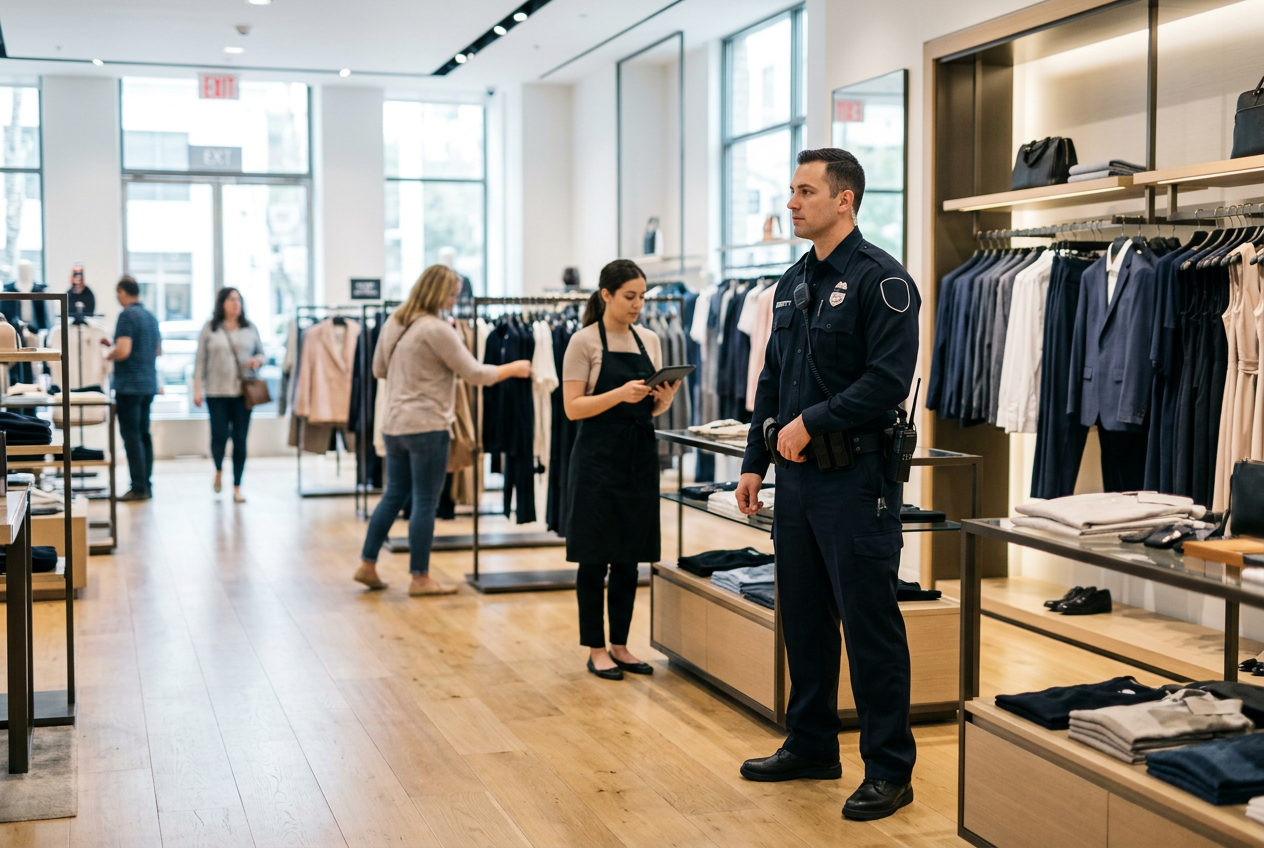
The Evolving Landscape of Modern Retail Security Retail theft costs American businesses over $121.6 billion annually, a figure that continues to climb as criminal tactics grow more sophisticated. For store owners and operations managers, the question is no longer whether to invest in professional security, but how to deploy it effectively. Retail security companies specializing in on-site protection have become essential partners for businesses ranging from single-location boutiques to national chains. The difference between a secure store and a vulnerable one often comes down to having trained professionals who understand both the psychology of theft and the operational realities of retail environments. Physical security presence does more than deter shoplifters. It protects employees from confrontational situations, safeguards customers, and preserves the shopping experience that drives revenue. When security is handled poorly or neglected entirely, the consequences extend far beyond inventory shrinkage, including staff turnover, liability exposure, and reputational damage. Rising Threats: Organized Retail Crime and Shoplifting Organized retail crime has evolved from opportunistic theft to coordinated operations targeting specific merchandise for resale. These groups conduct surveillance, exploit staffing gaps, and sometimes use distraction techniques that overwhelm unprepared employees. The National Retail Federation reports that ORC incidents rose by approximately 23% between 2022 and 2024, with average case values exceeding $1,000. Individual shoplifting remains prevalent but has also evolved. Self-checkout exploitation, return fraud, and ticket-switching require different prevention approaches than traditional concealment methods. Security teams must recognize patterns across multiple theft categories simultaneously. The Role of Professional Security in Brand Protection Security personnel serve as brand ambassadors whether they realize it or not. A professional, courteous guard at the entrance sets expectations for the entire shopping experience. Conversely, aggressive or poorly trained security can alienate legitimate customers and generate negative reviews that impact foot traffic. Effective retail security companies train their officers to balance vigilance with hospitality. The goal is to create an environment where honest customers feel welcomed while potential thieves recognize the risk of attempting theft. Core Services Provided by Retail Security Companies Professional retail security extends well beyond stationing a guard at the door. Comprehensive programs address vulnerabilities throughout the customer journey and across all operational hours. Uniformed vs. Plainclothes Loss Prevention Officers Uniformed officers provide visible deterrence . Their presence signals to would-be thieves that the store actively monitors for criminal activity. This visibility also reassures customers and staff, particularly during evening hours or in higher-risk locations. Plainclothes loss prevention specialists operate differently. They blend with shoppers to observe suspicious behavior without alerting subjects to their presence. This approach proves particularly effective for catching organized theft rings that scout stores before executing larger heists. Many retailers deploy both types simultaneously for layered protection. Mobile Patrols and Perimeter Surveillance Parking lots and exterior areas present distinct security challenges. Vehicle break-ins, cart theft, and customer harassment often occur outside the store's walls. Mobile patrol units from Cascadia Global Security conduct regular circuits through parking areas, loading zones, and adjacent spaces. These patrols serve multiple functions: deterring criminal activity, responding to incidents, and documenting conditions that might create liability issues. Regular patrol logs also provide valuable data for identifying patterns that warrant additional attention. Access Control and Employee Screening Protocols Internal theft accounts for a significant portion of retail shrinkage, often representing roughly one-third of total shrinkage. Security companies implement access control systems that restrict employee movement to necessary areas and create accountability for high-value inventory zones. Employee screening protocols include bag checks, locker inspections, and monitoring of after-hours access. Professional security teams handle these procedures consistently and respectfully, maintaining staff morale while protecting assets. Strategic Benefits of On-Site Protection Teams The value proposition for on-site security extends beyond simple theft prevention into operational improvements that affect multiple business metrics. Immediate Incident Response and De-escalation When confrontations occur, response time determines outcomes. On-site security officers can intervene within seconds rather than the minutes required for police response. This immediacy prevents escalation, protects merchandise, and reduces the risk of injuries to staff or customers. Trained de-escalation techniques prove especially valuable during returns disputes, situations involving intoxicated customers, and mental health crises. Officers from established retail security companies receive specific training for these scenarios, knowing when to engage verbally and when to create distance. Deterrence Through Visible Security Presence A visible security presence can reduce attempted theft by 20–60% compared to unprotected locations. Criminals conduct risk-benefit calculations, and professional security shifts that equation decisively toward moving on to easier targets. This deterrence effect compounds over time. Word spreads among theft networks about which stores present a higher risk, creating lasting protection benefits beyond any single prevented incident. Integrating Technology with Physical Guarding Modern retail protection combines human judgment with technological capabilities that neither can provide alone. CCTV Monitoring and Real-Time Analytics Camera systems generate footage, but footage alone doesn't prevent theft. Security officers monitoring feeds in real time can dispatch floor personnel to address suspicious activity before losses occur. Advanced analytics now flag behaviors such as unusual dwell times, repeated visits to high-theft areas, and recognition of known offenders. Cascadia Global Security integrates monitoring services with on-site personnel, creating response capabilities that pure technology solutions cannot match. Electronic Article Surveillance (EAS) Systems EAS tags and pedestals create another layer of deterrence, but they require a human response to be effective. Security officers positioned near exits can respond immediately to alarms, distinguishing between legitimate deactivation failures and actual theft attempts. Proper EAS management includes tagging protocols, alarm response procedures, and regular system testing. Security teams coordinate with store staff to ensure consistent execution across all shifts. Selecting the Right Security Partner for Your Store Not all security providers deliver equal value. Evaluation criteria should focus on capabilities that directly impact your specific risk profile. Evaluating Training Standards and Certifications Ask potential partners about their training curriculum, ongoing education requirements, and certification standards. Quality providers invest significantly in officer development, covering topics from legal authority limits to customer service excellence. Industry certifications like those from ASIS International indicate commitment to professional standards. Background check procedures, drug testing policies, and supervision ratios also reveal organizational priorities. Customizing Security Plans for Store Layouts Cookie-cutter security programs waste resources and leave vulnerabilities unaddressed. Effective partners conduct thorough site assessments to identify blind spots, high-risk merchandise locations, and traffic flow patterns unique to your store. Cascadia Global Security develops customized security plans based on individual store characteristics, staffing patterns, and loss history data. Measuring the ROI of On-Site Security Investment Security spending should demonstrate measurable returns. Track shrinkage rates before and after implementation, comparing against industry benchmarks. Monitor incident reports, response times, and resolution outcomes. Employee retention often improves when staff feel protected, reducing hiring and training costs. Customer satisfaction scores may also increase, particularly in locations where prior security gaps led to uncomfortable shopping experiences. The most successful retail security programs pay for themselves through prevented losses while generating additional value through operational improvements.

Security work attracts people for different reasons : the desire to protect others, the appeal of varied daily challenges, or the transition from military or law enforcement careers into civilian roles. But not all security companies deliver the same experience. What it's like to work at Cascadia Global Security differs substantially from typical security firms, starting with who they hire and how they develop their teams. The company prioritizes veterans and former law enforcement officers, creating a culture where professionalism isn't just expected but embedded in daily operations. This shapes everything from training standards to advancement opportunities. For those considering a career in private security, understanding the actual day-to-day experience matters more than glossy recruitment materials. The following breakdown covers the operational realities, growth pathways, and workplace culture that define employment at this veteran-owned firm. The Core Philosophy and Mission of Cascadia Global Security Cascadia Global Security operates on a straightforward principle: security services are only as effective as the people delivering them. This belief drives every hiring decision, training program, and client interaction. The company provides guard services, patrol operations, and specialized protection across corporate offices, warehouses, construction sites, retail centers, and healthcare facilities throughout the United States. Commitment to Veteran and Law Enforcement Hiring The company actively recruits from military and law enforcement backgrounds for practical reasons. These candidates arrive with situational awareness, discipline under pressure, and familiarity with security protocols. Veterans transitioning to civilian careers often find the environment familiar, with clear chains of command and performance expectations. Former police officers bring investigative instincts and de-escalation training that prove valuable in high-stakes situations. A Culture of Professionalism and Accountability Accountability runs through every level of operations. Guards receive regular performance reviews tied to specific metrics, not vague assessments. Local management teams maintain direct oversight rather than relying solely on centralized administration. This structure creates faster response times when issues arise and ensures guards have accessible leadership support. Daily Responsibilities and Operational Roles The actual work varies significantly depending on the assignment type, the client's industry, and whether the position involves armed or unarmed duties. Understanding these distinctions helps candidates identify roles matching their skills and career goals. Unarmed vs. Armed Guard Expectations Unarmed positions focus on access control, monitoring, deterrence, and visitor management. These roles suit professionals who excel at observation, communication, and conflict prevention. Guards working corporate lobbies or retail environments spend considerable time interacting with employees and customers, requiring strong interpersonal skills alongside security awareness. Armed positions carry elevated responsibility and stricter qualification requirements. These assignments typically protect high-value assets, sensitive facilities, or locations with elevated risk profiles. Guards must maintain weapons certifications and demonstrate consistent judgment under pressure. As of 2026, armed security officers must comply with updated state firearms training standards, including annual requalification where mandated by state law. The company provides enhanced training for armed personnel, recognizing that these roles demand additional preparation. Patrol Strategies and Client Interaction Mobile patrol assignments offer variety that static posts lack. Officers cover multiple locations, respond to alarms, and conduct property checks across defined routes. This work suits those who prefer movement and diverse challenges throughout their shifts. Client interaction forms a substantial portion of most assignments. Guards serve as the visible security presence, often becoming familiar faces to employees and visitors. Building positive relationships improves information flow and makes security operations more effective. The company emphasizes that guards represent both Cascadia and the client, making professionalism essential in every interaction. Training and Career Development Opportunities Career growth requires structured development, and the company invests in training that builds both technical skills and leadership capabilities. Specialized Field Training Programs New hires complete orientation covering company policies, client-specific protocols, and operational procedures. Beyond initial training, guards have access to specialized programs that address areas such as emergency response, conflict de-escalation, and report writing. The company recognizes that security threats evolve, making ongoing education necessary rather than optional. Field training pairs newer guards with experienced personnel, accelerating practical skill development. This mentorship approach transfers institutional knowledge while giving trainees real-world experience under supervision. Guards working specialized assignments receive additional preparation specific to their client's industry and security requirements. Internal Promotion Paths and Leadership Growth The company promotes from within whenever possible. Guards who demonstrate consistent performance, reliability, and leadership potential are considered for supervisory roles. This creates visible career pathways that motivate long-term commitment. Advancement typically progresses from guard positions to shift supervisor, then to site management and regional leadership roles. Each step involves additional training and expanded responsibilities. The company's local management structure means leadership opportunities exist across multiple geographic areas, not just at headquarters. Work Environment and Employee Benefits Compensation and scheduling significantly impact job satisfaction and retention. The company structures both to attract and retain quality personnel. Scheduling Flexibility and Work-Life Balance Security work inherently involves non-traditional hours, but the company works to accommodate employee preferences where possible. Multiple shift options are available for most assignments, allowing guards to select schedules that align with personal obligations. Part-time and full-time positions provide additional flexibility. The company maintains adequate staffing levels to prevent excessive overtime demands. While overtime opportunities exist for those wanting additional hours, guards aren't pressured into unsustainable schedules. This approach reduces burnout and maintains alertness during shifts. Compensation Packages and Performance Incentives Pay rates vary by assignment type, location, and required certifications. Armed positions command higher compensation reflecting their additional requirements and responsibilities. The company offers performance-based incentives rewarding reliability, professionalism, and positive client feedback. Benefits packages now commonly include employer-supported health insurance options compliant with the Affordable Care Act (ACA) and may also include access to mental health and wellness resources, which are increasingly standard in the private security industry as of 2026. The company reviews compensation regularly to remain competitive within local markets, recognizing that retaining experienced personnel requires fair pay. What Sets Cascadia Apart from Traditional Security Firms Many security companies treat guards as interchangeable commodities, minimizing training and maximizing turnover. Cascadia Global Security takes the opposite approach, investing in personnel development because better-trained guards deliver better results for clients. The veteran-owned structure creates cultural alignment that corporate-owned competitors struggle to replicate. Leadership understands the backgrounds and motivations of its workforce because members share similar experiences. This translates into policies and practices that respect employees while maintaining high performance standards. Local management teams provide another distinction. Rather than distant corporate oversight, guards work with supervisors who understand local conditions and client relationships. Problems get resolved faster, and guards receive support tailored to their specific situations. Joining the Team: Application and Onboarding Process The application process evaluates both qualifications and cultural fit. Candidates submit applications through the company website, with positions available across multiple states. Background checks and reference verification follow for promising candidates. In compliance with 2026 privacy and employment laws, background checks must adhere to the Fair Credit Reporting Act (FCRA) and any applicable state restrictions on criminal history inquiries. Interviews assess communication skills, reliability indicators, and alignment with company values. The company looks beyond certifications to evaluate judgment, professionalism, and commitment to the security profession. Successful candidates complete onboarding that includes policy training, equipment orientation, and site-specific preparation before their first independent shift.

Finding the right security personnel can mean the difference between a protected property and a vulnerable one. Whether you're safeguarding a corporate headquarters, a weekend festival, or your family's home, knowing where to hire a professional security guard starts with understanding your options. The private security industry employs over 1.2 million people in the United States alone, yet many business owners and property managers struggle to identify reputable sources for qualified personnel. Some turn to national agencies with extensive vetting processes, while others prefer local firms with community ties. The best choice depends on your specific situation, budget constraints, and the level of protection required. This guide breaks down the most reliable channels for finding security professionals, from established agencies to specialized marketplaces, so you can make an informed decision that keeps your people and assets safe. Identifying Your Specific Security Needs Before contacting any agency or platform, define exactly what you need . Security requirements vary dramatically based on setting, risk level, and duration. A clear understanding of your needs helps you ask the right questions and evaluate candidates effectively. Residential vs. Commercial Security Requirements Residential security typically focuses on deterrence and monitoring. Guards patrol neighborhoods, check credentials at gated communities, and respond to alarms. Commercial security demands broader skills: crowd management, loss prevention, emergency response coordination, and often integration with existing security systems. A warehouse needs different coverage than a law office. Retail environments require guards trained in customer interaction and shoplifting prevention. Office buildings may need personnel comfortable with visitor management and access control protocols. Armed vs. Unarmed Personnel Armed guards carry firearms and undergo additional licensing requirements, background checks, and training certifications. They're appropriate for high-risk environments: banks, jewelry stores, pharmaceutical facilities, or locations with significant cash handling. Unarmed guards provide visible deterrence and monitoring without the capability to use lethal force. Most commercial and residential applications don't require armed personnel. The cost difference is substantial, with armed guards typically commanding rates 20–40% higher. Temporary Event Security vs. Long-Term Contracts Event security requires guards experienced in crowd control, emergency evacuation, and rapid deployment. Festivals, concerts, and corporate events need personnel who can adapt quickly to changing conditions. Long-term contracts suit ongoing protection needs at fixed locations. The hiring process differs significantly: event security often comes through specialized agencies with large reserve pools, while long-term arrangements benefit from dedicated account management and consistent personnel. Top Platforms for Hiring Private Security Multiple channels exist for connecting with qualified security professionals. Each offers distinct advantages depending on your timeline, budget, and specific requirements. National Security Agencies and Firms Large security companies like Allied Universal, Securitas, and GardaWorld operate nationwide with standardized training programs and extensive personnel databases. These firms handle licensing, insurance, and background checks internally. They're ideal for multi-location businesses needing consistent service standards across regions. The trade-off: less flexibility and potentially higher overhead costs built into their rates. For organizations requiring comprehensive coverage with minimal administrative burden, national agencies deliver turnkey solutions. Specialized Online Security Marketplaces Digital platforms have emerged, connecting clients directly with security professionals. Sites like Indeed and ZipRecruiter allow you to post requirements and receive applications from vetted guards. These marketplaces work well for short-term needs or when you want direct hiring relationships. Verify that any platform you use requires proof of licensing and insurance from the listed professionals. Cascadia Global Security offers both direct placement and managed security programs, combining marketplace convenience with agency-level oversight. Local Law Enforcement Off-Duty Programs Many police departments coordinate off-duty employment programs, allowing active officers to work security during non-duty hours. These officers bring law enforcement training, limited arrest authority while off-duty (depending on jurisdiction), and immediate credibility. Contact your local police department's administrative office to inquire about off-duty programs. Rates typically exceed standard security guard fees, but the enhanced authority and training often justify the premium for high-risk applications. Vetting Potential Security Guards and Agencies Thorough vetting protects you from liability and ensures you're getting qualified professionals. Don't skip these verification steps regardless of how reputable the source appears. Verifying Licensing and Certifications Every state regulates security guards differently. Most require registration or licensing through a state agency, typically the Department of Consumer Affairs or equivalent. Request license numbers and verify them directly with issuing authorities. Armed guards need additional permits. Specialized certifications like CPR, first aid, and fire safety training add value. Ask for documentation of completed training programs and continuing education requirements. Reviewing Insurance Coverage and Liability Any security provider should carry general liability insurance and workers' compensation coverage. Request certificates of insurance and verify they're current. Minimum coverage should be $1 million per occurrence and $2 million aggregate for general liability. Understand how liability transfers in case of incidents: does the agency indemnify you, or does their contract shift risk to your organization? Have legal counsel review contract language before signing. Evaluating Background Checks and Training Protocols Reputable agencies conduct thorough background investigations, including criminal history, employment verification, and drug screening. Ask specifically what their screening process covers. Training should exceed state minimums. Cascadia Global Security maintains rigorous training protocols that include scenario-based exercises, de-escalation techniques, and client-specific orientation programs. Request details about ongoing training requirements and performance monitoring systems. Industry-Specific Hiring Resources Certain sectors have developed specialized security resources tailored to their unique challenges. Retail and Loss Prevention Specialists Retail security requires specific skills: identifying shoplifting behaviors, handling confrontations without escalating situations, and understanding inventory control systems. The National Retail Federation and retail industry associations maintain directories of qualified providers. Look for guards with experience in similar retail environments and ask about their procedures for apprehension and customer service training. Executive Protection and VIP Bodyguards Personal protection specialists operate differently from facility guards. Executive protection agents typically have military or law enforcement backgrounds with advanced tactical training. Organizations like ASIS International maintain certification programs for executive protection professionals. These specialists command premium rates and often work through boutique agencies specializing in high-net-worth client protection. Verify their experience with threat assessment, advanced work, and protective intelligence. Comparing Costs and Contract Structures Security guard rates vary significantly based on location, experience level, and service type. Unarmed guards typically range from $18–30 per hour in most markets, while armed personnel command $30–50 or more. Agency billing rates include overhead, so expect to pay 30-50% above the guard's actual wage. Contract structures matter as much as hourly rates. Some agencies require minimum hours or long-term commitments. Others charge premium rates for short-term or emergency coverage. Cascadia Global Security offers flexible contract options, including temporary, emergency, and ongoing security programs tailored to client needs. Get detailed quotes from multiple providers and compare total costs, including any administrative fees, uniform charges, or equipment costs.